

The morning before Family Day always smelled of roasting chilies and simmering beans.
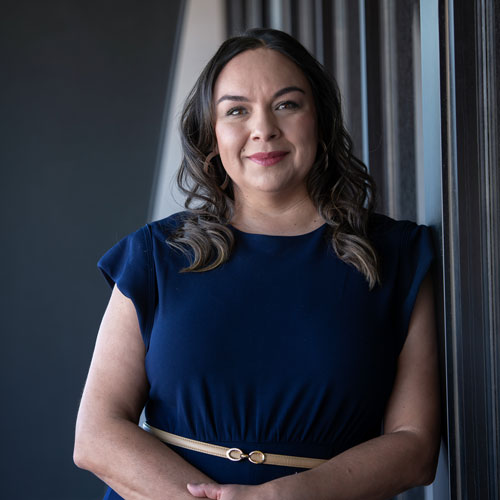
Long before she knew the term “grassroots organizing,” Teresa was learning its most vital lesson, right in her Agua Fria Village community – showing up. In her childhood, Teresa’s job, along with her siblings, cousins and other neighborhood children, was to set up the carnival games and make sure each one had its prizes ready before the annual “Family Day” at San Isidro church in the Historic Agua Fria Village. There were no sign-up sheets and no volunteer credits, only a shared understanding that this was what you did for your community. This ritual of joyful contribution was Teresa’s first school of organizing.
Years later, as a college student, a mentor and professor helped her name what she had been practicing all along: know your heart, look for the blessing in everything, embrace who you are and bring it fully to the table, and finish with gratitude. Those principles stayed with her. They became quiet anchors in moments of doubt and clarity alike.
While she continued working with a community focus lens at the University of New Mexico, she felt constrained within the bureaucratic systems of a large university and recognized the profound difference between systemic intentions and authentic community work. She missed the direct, relational impact of working alongside community. A past colleague, Nichelle, upon learning about her search for more direct impact, invited her into the PCA fold.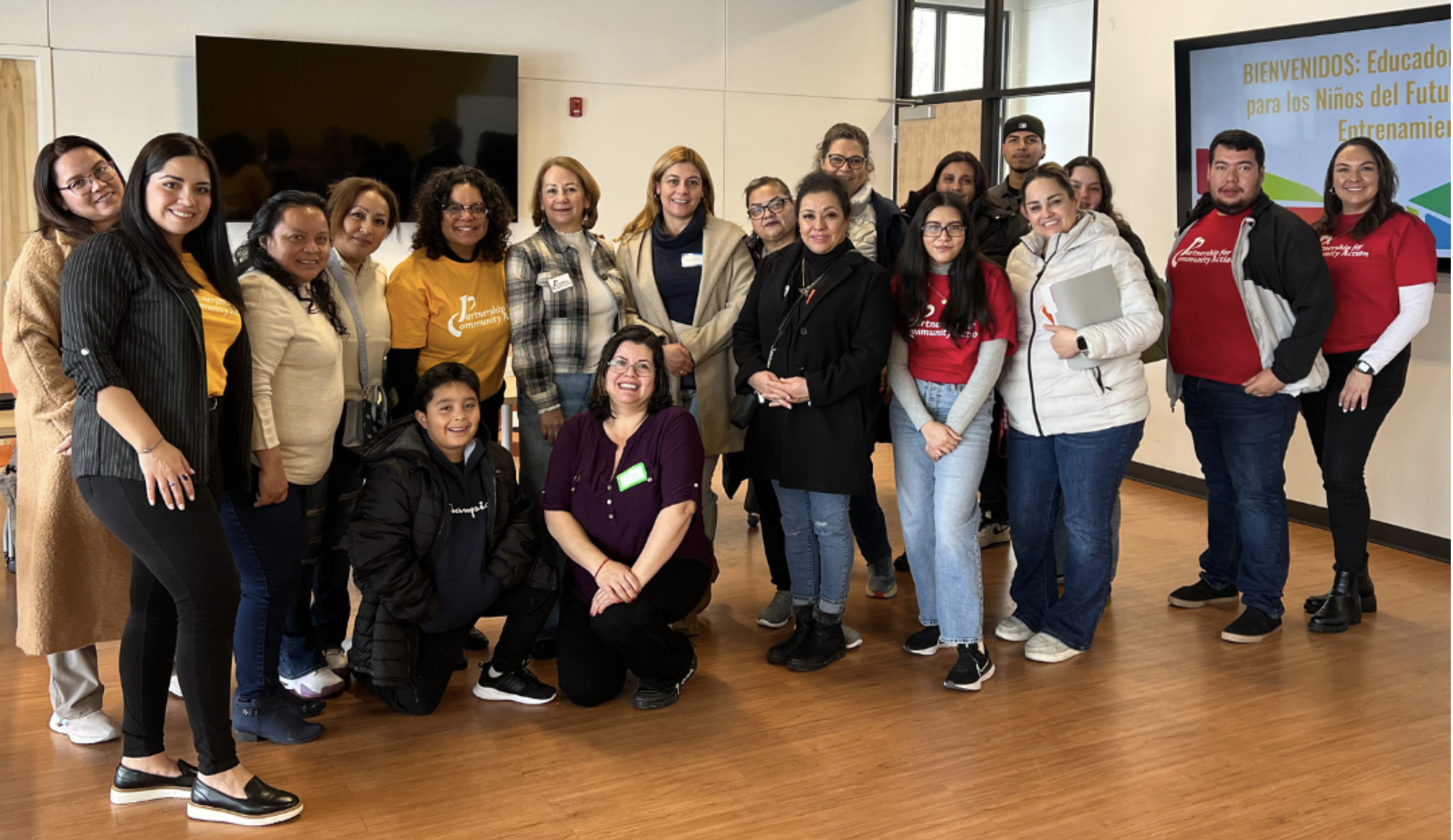
Her first day at PCA in 2022 was a fitting re-introduction to hands-on work. “The entire team was moving boxes from the Casita, which we now refer to La Sala, into the freshly painted Social Enterprise Center”
she says, stepping into a Director of Programs role at a moment of upward momentum. PCA was deep in the final push for the Vote Yes for Kids campaign, a decade-long grassroots effort to secure funding for early childhood education.
Approving lists of door-knocking volunteers, she was inspired by the raw people power, the same force she remembered from her childhood, now directed toward systemic change. The campaign’s victory that November was a confirmation, it showed how deep community relationships could be harnessed to win monumental policy shifts.
She quickly grew from building programs to shaping strategy, transitioning to Deputy Director.
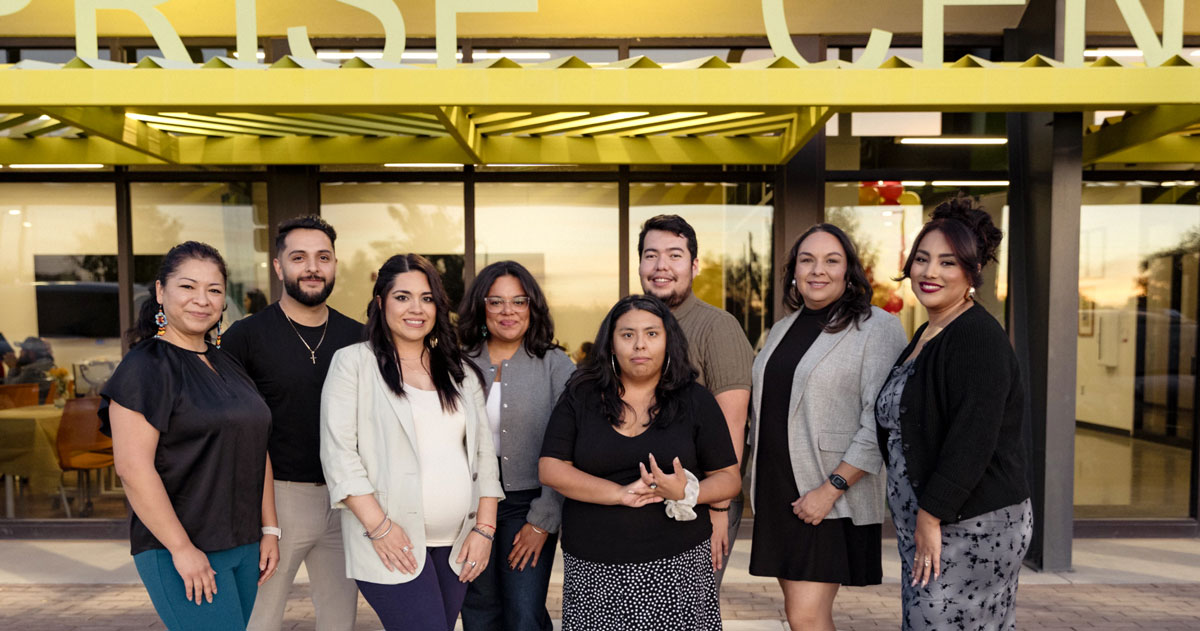
This shift forced her to see the full picture. “How do these programs influence our advocacy, our mission and our vision?” she began to ask. Her focus expanded from building a standalone program like the RISE cohort for educators to asking how PCA could leverage all its work, from direct programming to policy advocacy for systemic change.
When the opportunity to lead arose, her feelings were a mix of humility and resolve. “I felt like I still had so much to learn,” Teresa confesses about stepping into the Interim Executive Director role. That period of working closely with the board and staff solidified her commitment. She was passionately ready to champion the organization’s future.
Today, as PCA’s Executive Director, Teresa’s vision is straightforward – double down on what has always worked.
Written in her notes, her core principle is simple, to be a “responsible, reliable, and accountable leader that continues to center community.” For Teresa, this isn’t just a strategy, it’s a return to her roots. She envisions PCA as a critical catalyst, “fostering long-term relationships to change systems so New Mexico families thrive”. She draws a direct line from the communal efforts of her youth to the political fights of today.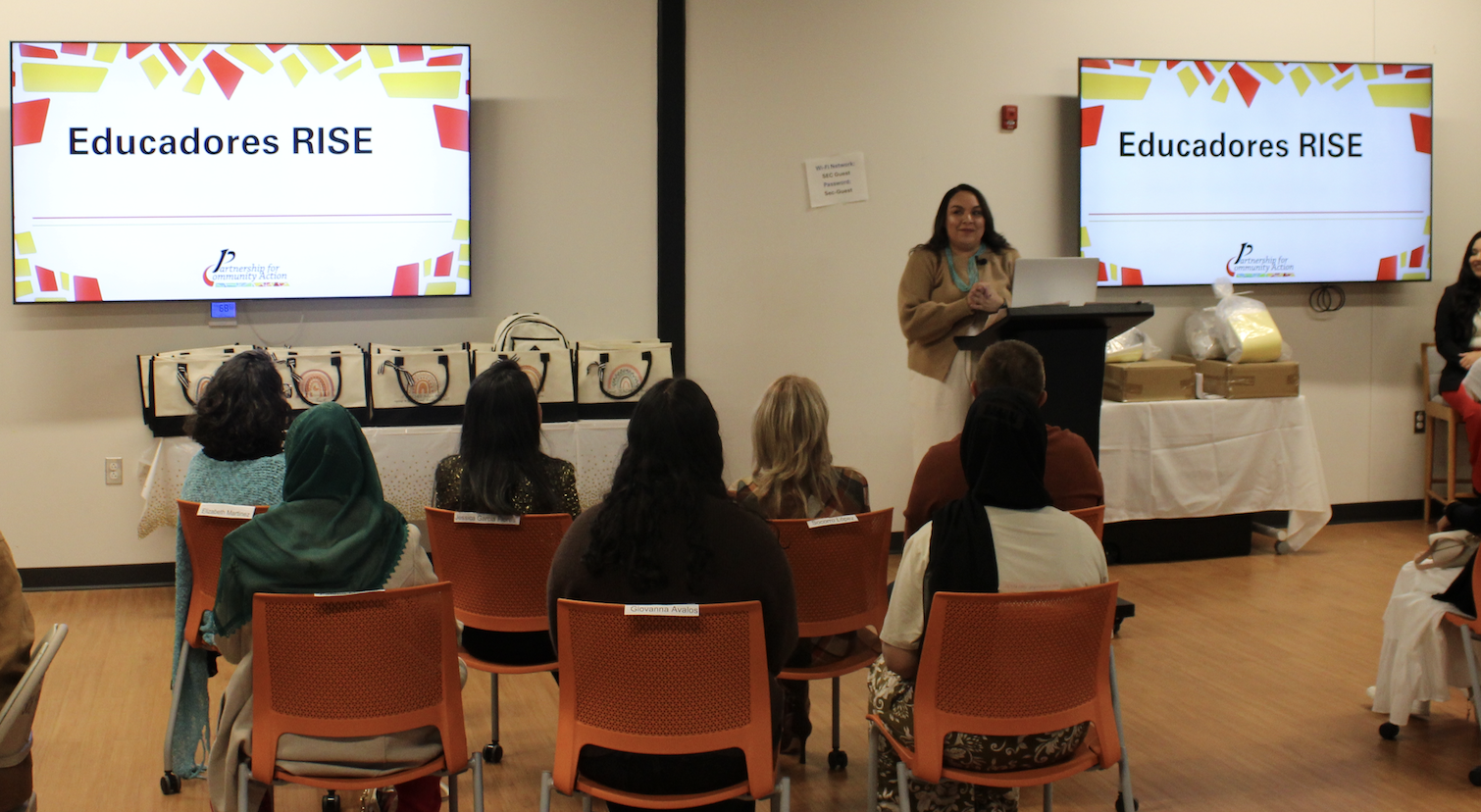
“PCA can meet this moment because we’ve had a tradition of grassroots relationship-based organizing,”
she states. In a time of national chaos and local need, her directive is to keep that foundation. Whether advocating for immediate support like low-interest loans for a local small business or advancing future-focused policies like baby bonds for generational wealth, the method remains the same: relationships first.
Of the current climate she says, “As a state, New Mexico has been smart in saving money for a rainy day” and, “It’s raining,” referring to the economic struggles families face. Under her leadership PCA will continue to focus on community rooted economic development in the South Valley and advance early childhood equity and workforce justice as universal childcare rolls out across New Mexico. At the same time, PCA is preparing to elevate Baby Bonds policy in the 2027 legislative session- a bold strategy to build generation wealth for New Mexico families and ensure children are not locked out of opportunity before they begin.
Her leadership is built on the understanding that the only sane response to the downpour is the one she learned as a child, people coming together, without fanfare, to do the necessary work.
Teresa’s story is a full-circle testament to the most important wisdom 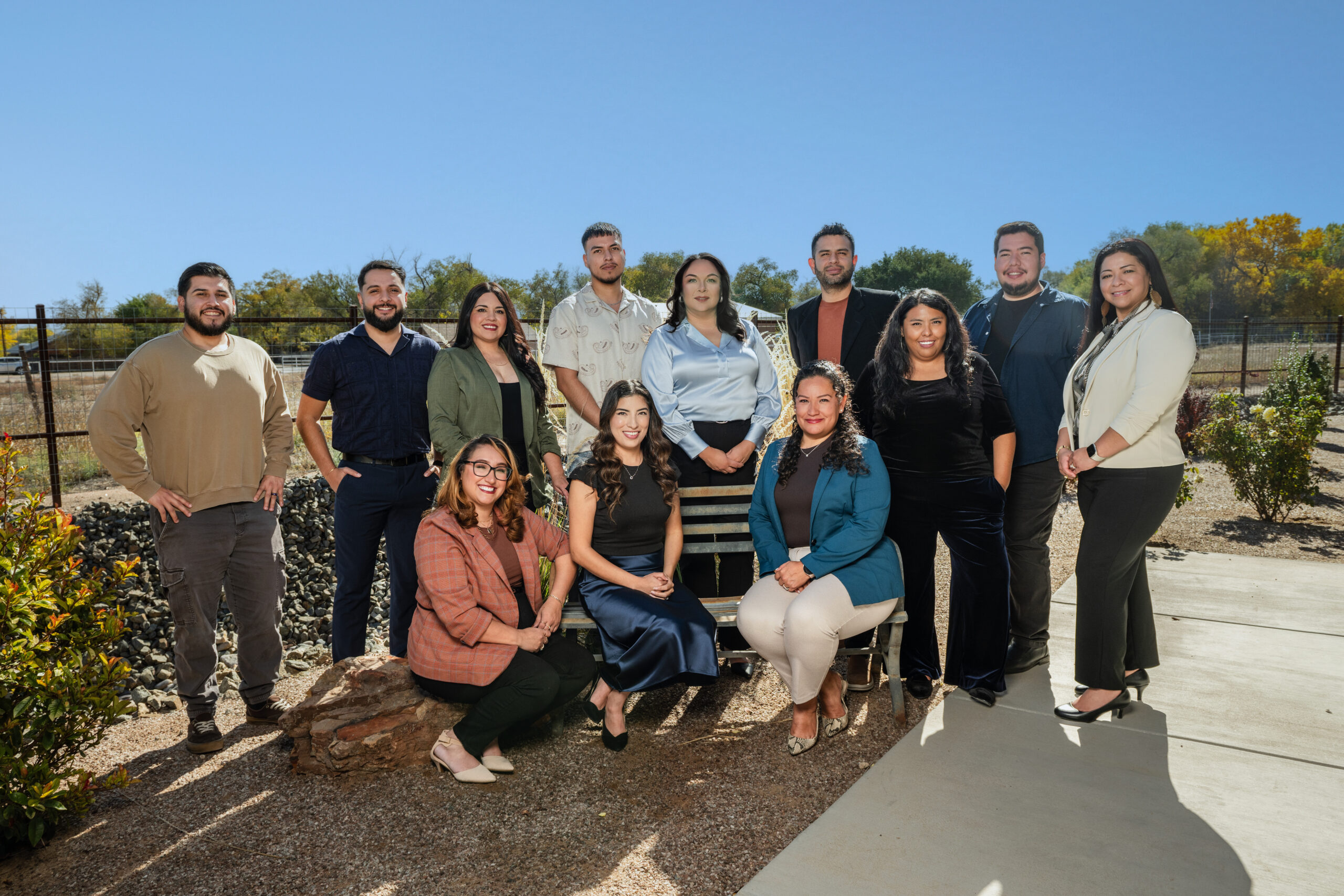 she’s gained.
The lessons from the church kitchen and the dirt road of Agua Fria Village, showing up without expectation, caring for shared space, building trust through action. This shaped her character and became her blueprint for leadership. They prove that the most sustainable change grows not from transaction, but from the deep, enduring relationships of community.
Today Teresa is the Executive Director of the Partnership for Community Action. She is a community leader, advocate, mother, and a believer in a more equitable New Mexico.